
Recycled aluminum is moving into a new stage of development.
For years, secondary aluminum has been widely used in packaging, cast products, construction materials and many general industrial applications. The next challenge is more demanding: using high levels of post-consumer recycled aluminum in automotive components where material strength, consistency, traceability and safety performance are critical.
A recent project involving Hydro, General Motors and Shape Corp. shows that this transition is already happening.
On August 5, Hydro announced that General Motors’ Cadillac OPTIQ electric vehicle will use a front bumper system made with Hydro CIRCAL, an aluminum product containing at least 75% post-consumer scrap. The material is independently verified by DNV and is produced at Hydro’s recycling facility in Cassopolis, Michigan.
According to Hydro, the project represents one of the first U.S. applications of Hydro CIRCAL in a structural, safety-critical automotive component.
That distinction matters for the recycling industry.
Recycled Aluminum Is Moving Beyond Basic Applications
Automotive bumper systems must meet demanding requirements for strength, corrosion resistance, formability and energy absorption during a collision.
Hydro states that the recycled aluminum selected for the Cadillac OPTIQ meets these automotive specifications while carrying a carbon footprint of no more than 1.5 kg CO₂e per kilogram of aluminum. The company estimates this represents approximately a 70% reduction in emissions compared with the North American average for primary aluminum production.
The aluminum comes from post-consumer products including old vehicles, doors, windows and electrical cables before being collected, remelted and returned to manufacturing.
This is important because it demonstrates a change in what the market expects from recycled material.
The objective is no longer simply:
recover aluminum from waste.
Increasingly, the objective is:
recover aluminum cleanly enough that it can return to technically demanding manufacturing applications.
Europe Is Moving in the Same Direction
The trend is not limited to North America.
Hydro and Mercedes-Benz announced in July that they are expanding their cooperation on recycled and low-carbon aluminum in Europe. Mercedes-Benz is expected to become the first automotive company in Europe to integrate Hydro CIRCAL into series production for its next generation of large electric vehicles.
The material will again contain at least 75% post-consumer aluminum scrap, compared with a current minimum of 25% in the referenced application. Hydro says the material is recovered from end-of-life vehicles, buildings and infrastructure before being returned to automotive production.
Hydro and Mercedes-Benz specifically emphasize that increasing post-consumer content must not compromise performance, quality or safety.
That requirement has direct implications for the recycling industry.
Scrap Quality Becomes More Important as Applications Become More Demanding
An automotive manufacturer cannot treat every piece of aluminum scrap as identical.
Post-consumer aluminum may originate from:
- End-of-life vehicles
- Window frames and building profiles
- Electrical cables
- Used beverage cans
- Household appliances
- Mixed shredded scrap
- Automotive shredder residue
- Construction waste
These materials can contain different aluminum alloys as well as unwanted copper, brass, zinc, stainless steel, ferrous metal, plastic, rubber, glass, dirt and other contaminants.
When secondary aluminum is used in relatively tolerant applications, some variation may be manageable.
When recycled aluminum is intended for structural automotive components, however, consistency becomes much more important.
Mercedes-Benz has separately described an experimental aluminum body side panel containing as much as 86% post-consumer scrap from sources including old wheels, window frames and end-of-life vehicles while maintaining required material and surface properties.
The direction is clear: manufacturers want to increase recycled content without sacrificing product quality.
This Creates a New Opportunity for Aluminum Sorting
Higher-value recycled aluminum requires higher-quality incoming material.
That places more responsibility on the recycling stage before remelting.
For an automotive shredder or mixed-metal recycling operation, recovering aluminum is only the first step. The aluminum-rich fraction may still contain copper, brass, stainless steel, zinc and other materials that affect downstream alloy chemistry.
This means that future recycling lines are likely to be evaluated less by the simple question:
“How much metal can this system recover?”
and increasingly by:
“What quality of aluminum fraction can this system produce?”
That is a major change for equipment suppliers and recycling plants.
End-of-Life Vehicles Could Become an Important Aluminum Source
The automotive sector is particularly interesting because aluminum demand and end-of-life vehicle recycling are beginning to connect more closely.
Modern vehicles contain aluminum in body structures, wheels, crash-management systems, engine components and other parts.
When vehicles reach the end of their useful life, shredding produces several complex material streams.
After ferrous metal is removed, the remaining non-ferrous fraction may contain:
aluminum + copper + brass + zinc + stainless steel + wire + plastic + rubber + other materials.
This is where improved material preparation and sorting become important.
A cleaner aluminum fraction gives downstream recyclers more flexibility when producing secondary alloys and reduces the amount of primary aluminum required to correct material chemistry.
The recent GM and Mercedes-Benz developments suggest that high-quality end-of-life aluminum will increasingly be viewed as a manufacturing feedstock rather than simply scrap. This is an inference from the companies’ growing use of verified post-consumer aluminum in demanding automotive applications.
Traceability Is Becoming Part of Recycling Quality
Another significant development is traceability.
Hydro CIRCAL is independently verified by DNV, and Hydro states that each batch includes documentation confirming the minimum post-consumer scrap content.
This shows that downstream manufacturers increasingly want to know not only whether aluminum is recycled, but also:
where the material came from,
how much post-consumer scrap it contains,
how it was processed,
and whether its environmental claims can be verified.
For recycling companies, this could gradually increase the value of more controlled material streams.
A clearly defined aluminum fraction recovered from end-of-life vehicles may ultimately be more valuable than a highly mixed non-ferrous product whose origin and composition are difficult to verify.
Sorting Technology Will Have to Follow the Market
The movement toward automotive-grade recycled aluminum creates several practical requirements for recycling plants.
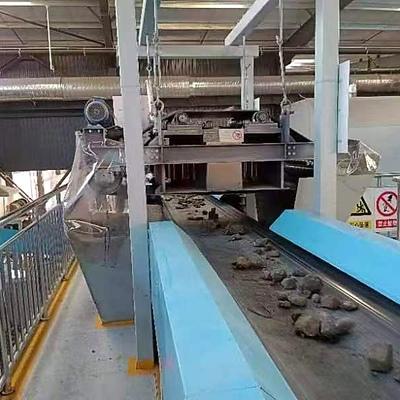
Feed material needs to be stable. Material size distribution needs to be controlled. Ferrous contamination should be removed before non-ferrous recovery. Aluminum must then be recovered efficiently from the remaining stream, while additional separation may be required when copper, brass, stainless steel or other heavy non-ferrous metals remain.
Fine fractions create another challenge.
Small aluminum particles are easily lost in mixed waste streams, especially in ASR, IBA and finely shredded materials. Recovering these particles efficiently can increase overall aluminum yield, but the equipment configuration must match the material size and physical characteristics.
For this reason, aluminum recovery systems should be designed around the actual feed material rather than around a fixed equipment package.
CurrenTek Aluminum Recovery Applications
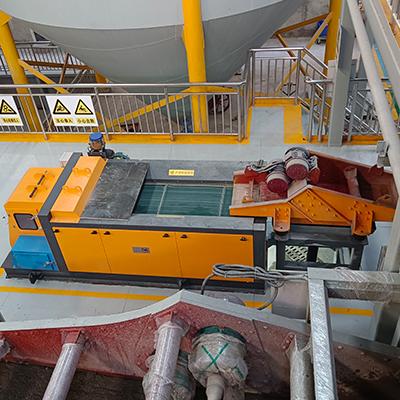
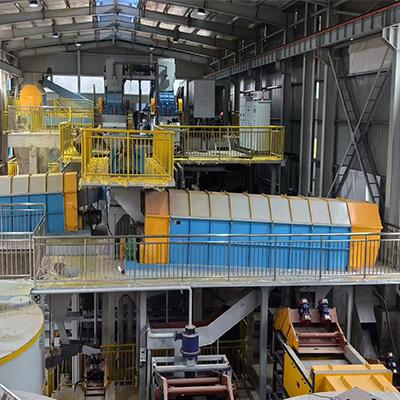
CurrenTek provides recycling sorting equipment and process configurations for aluminum-rich recycling streams including UBC, Zorba, ASR, IBA and mixed scrap.
For automotive recycling in particular, CurrenTek can evaluate the material after shredding and ferrous removal to determine an appropriate process for recovering aluminum and other valuable non-ferrous metals.
Important project information includes material size, composition, processing capacity, contamination level and required final product quality.
Material photographs, videos and samples can also help determine whether additional classification or upgrading stages are necessary.
The objective is not simply to produce more recovered material.
It is to produce cleaner, more consistent material with greater downstream value.
The Future of Recycled Aluminum Is Higher Quality
The use of aluminum containing at least 75% post-consumer scrap in a safety-critical electric vehicle component represents an important development for the recycling industry.
It demonstrates that secondary aluminum can move further into demanding manufacturing applications when scrap collection, processing, metallurgy and quality control work together.
Similar developments in Europe reinforce the same direction: higher recycled content is becoming part of automotive material strategy rather than only a sustainability target.
For recycling plants, this creates an important opportunity.
The next generation of aluminum recycling will not be defined only by how many tons of scrap are processed.
It will increasingly be defined by purity, consistency, traceability and the ability to return recovered aluminum into high-value manufacturing applications.
For CurrenTek, this topic is also much better than the last few “aluminum scrap supply” articles because it attracts people searching for automotive aluminum recycling, ASR recovery, post-consumer aluminum sorting and high-quality secondary aluminum—closer to real equipment demand.
